Who we are
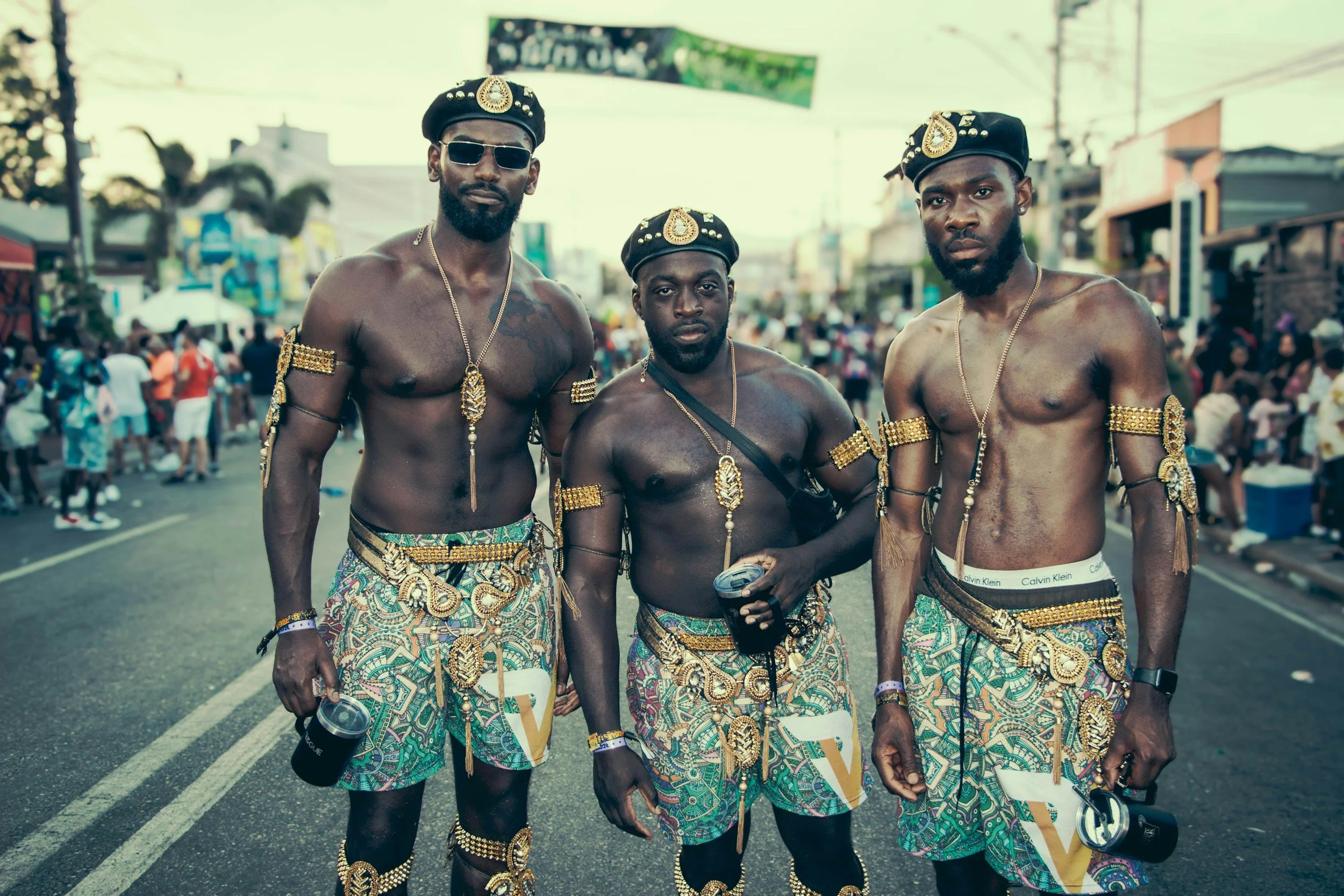
After the abolition of slavery in 1834, formerly enslaved Africans took the Carnival celebrations to the streets, transforming the festival into a powerful cultural expression of freedom and identity. They introduced new traditions such as Canboulay (derived from the French “cannes brulées,” meaning burnt cane), which commemorated the struggles of enslaved people forced to harvest burning sugar cane fields. African rhythms, drums, chanting, and storytelling became important elements of Carnival, helping to shape the festival’s unique character.
Contact us
Interested in working together? Fill out some info and we will be in touch shortly. We can’t wait to hear from you!