CARNIVAL COLOUR
CARNIVAL COLOUR
About
US
History of Trinidad and Tobago Carnival
Trinidad and Tobago Carnival is one of the most vibrant and culturally significant festivals in the Caribbean. Its origins can be traced back to the late 18th century when French colonists settled in Trinidad and brought with them their pre-Lenten masquerade traditions. These celebrations, which took place before the Christian season of Lent, included elegant balls, costumes, music, and dancing. At that time, enslaved Africans were not allowed to participate in these festivities, but they observed the celebrations and later created their own forms of expression that blended African traditions with European customs.
After the abolition of slavery in 1834, formerly enslaved Africans took the Carnival celebrations to the streets, transforming the festival into a powerful cultural expression of freedom and identity. They introduced new traditions such as Canboulay (derived from the French “cannes brulées,” meaning burnt cane), which commemorated the struggles of enslaved people forced to harvest burning sugar cane fields. African rhythms, drums, chanting, and storytelling became important elements of Carnival, helping to shape the festival’s unique character.
During the late 19th and early 20th centuries, Carnival continued to evolve as new cultural influences were added. The development of calypso music gave people a way to comment on social issues, politics, and daily life through song and humor. Later, the invention of the steelpan in the 1930s and 1940s further transformed Carnival music. Steelpan bands began performing in competitions and parades, adding a distinct sound that became one of Trinidad and Tobago’s most important cultural contributions to the world.
Today, Trinidad and Tobago Carnival is internationally recognized as one of the greatest festivals on Earth. Each year, thousands of masqueraders fill the streets of Port of Spain dressed in dazzling costumes made of feathers, beads, and vibrant fabrics. Events such as J’ouvert, Panorama, and the Parade of the Bands highlight the creativity, music, and community spirit that define the celebration. Carnival is more than just a festival—it is a living expression of history, resilience, and cultural pride that reflects the rich heritage of the people of Trinidad and Tobago.
STEEL PAN
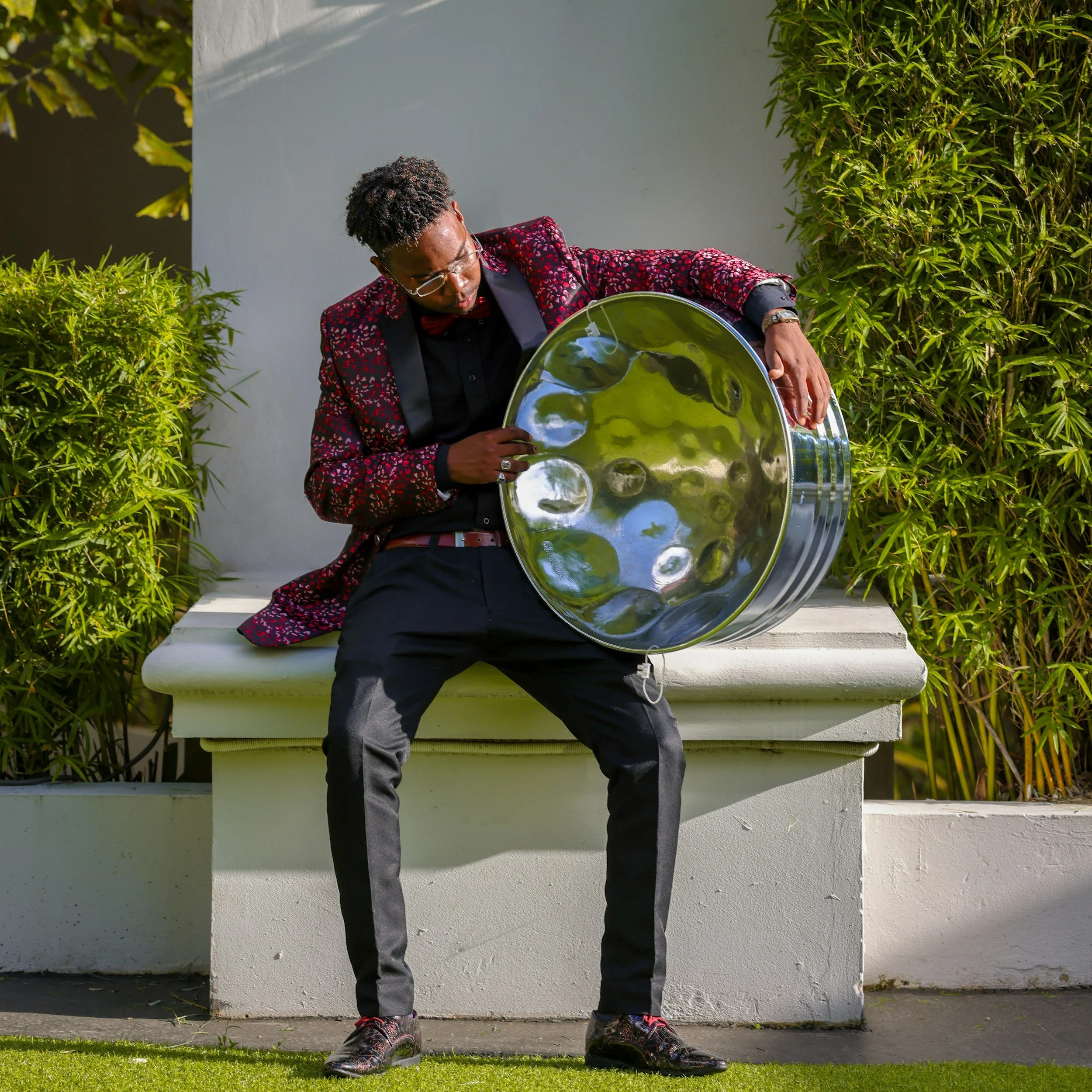
The steelpan, also known as the steel drum, is the national instrument of Trinidad and Tobago and one of the country’s greatest cultural contributions to the world. Developed in the 1930s and 1940s by creative musicians in Trinidad, the instrument was made from discarded oil drums that were carefully hammered and tuned to produce different musical notes. Steelpan music quickly became an important part of Trinidadian culture, especially during Carnival celebrations where steelbands perform lively rhythms and melodies that energize the crowds. Today, the steelpan is used in many musical styles—from calypso and soca to classical and jazz—and is celebrated internationally as a symbol of innovation, resilience, and cultural pride in Trinidad and Tobago.
Calypso & Soca
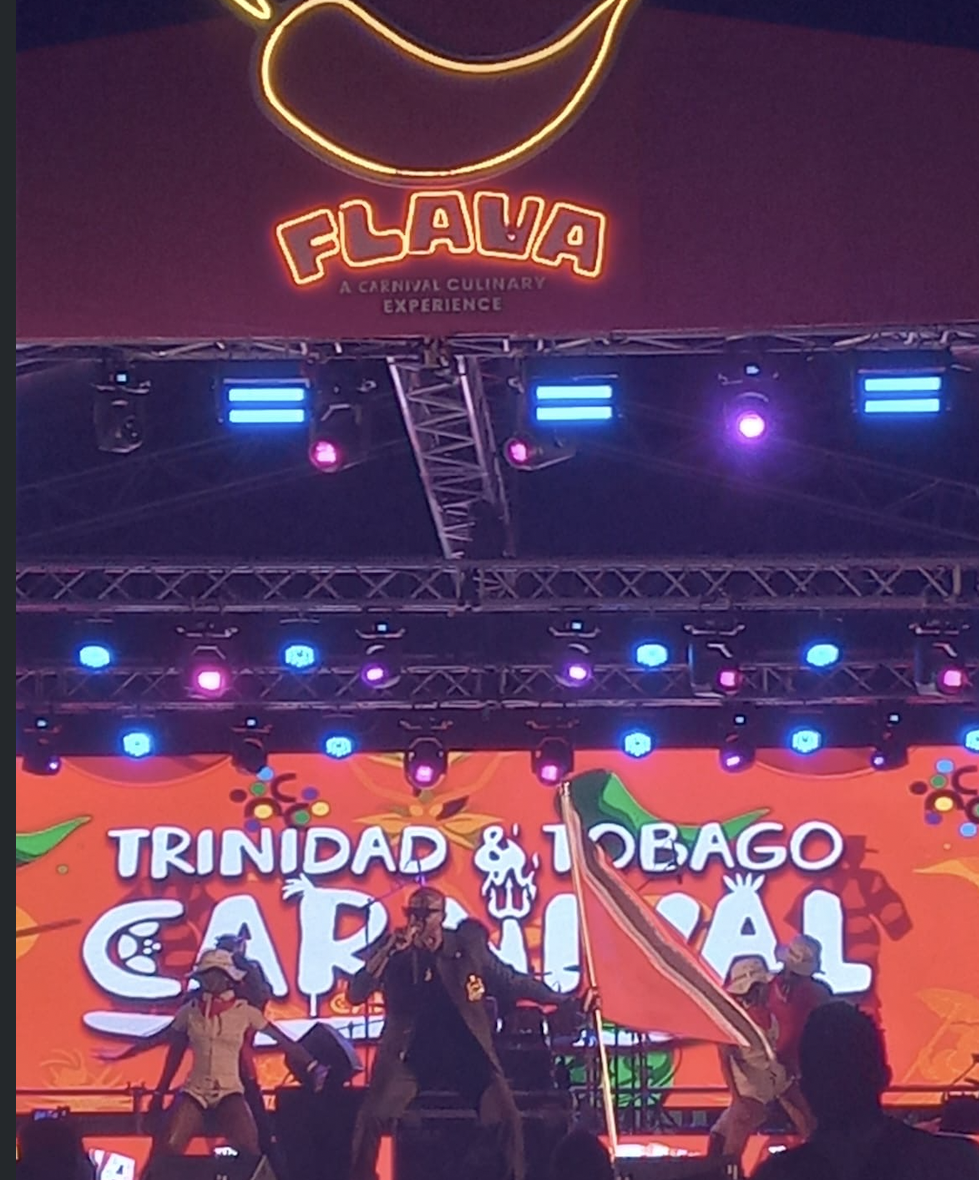
Calypso and Soca are two of the most influential musical styles in Trinidad and Tobago and play a central role in the country’s Carnival celebrations. Calypsooriginated in the early 20th century and is known for its storytelling, witty lyrics, and social commentary, often addressing political issues, daily life, and humor through song. Calypso singers traditionally performed in “calypso tents,” where audiences gathered to hear the latest songs during the Carnival season. Soca, short for “Soul of Calypso,” developed in the 1970s as a faster, more energetic style that blends calypso rhythms with modern instruments and dance beats. Together, calypso and soca provide the soundtrack of Carnival, inspiring dancing, celebration, and a strong sense of cultural pride throughout Trinidad and Tobago.
Mas - Parade of the Bands
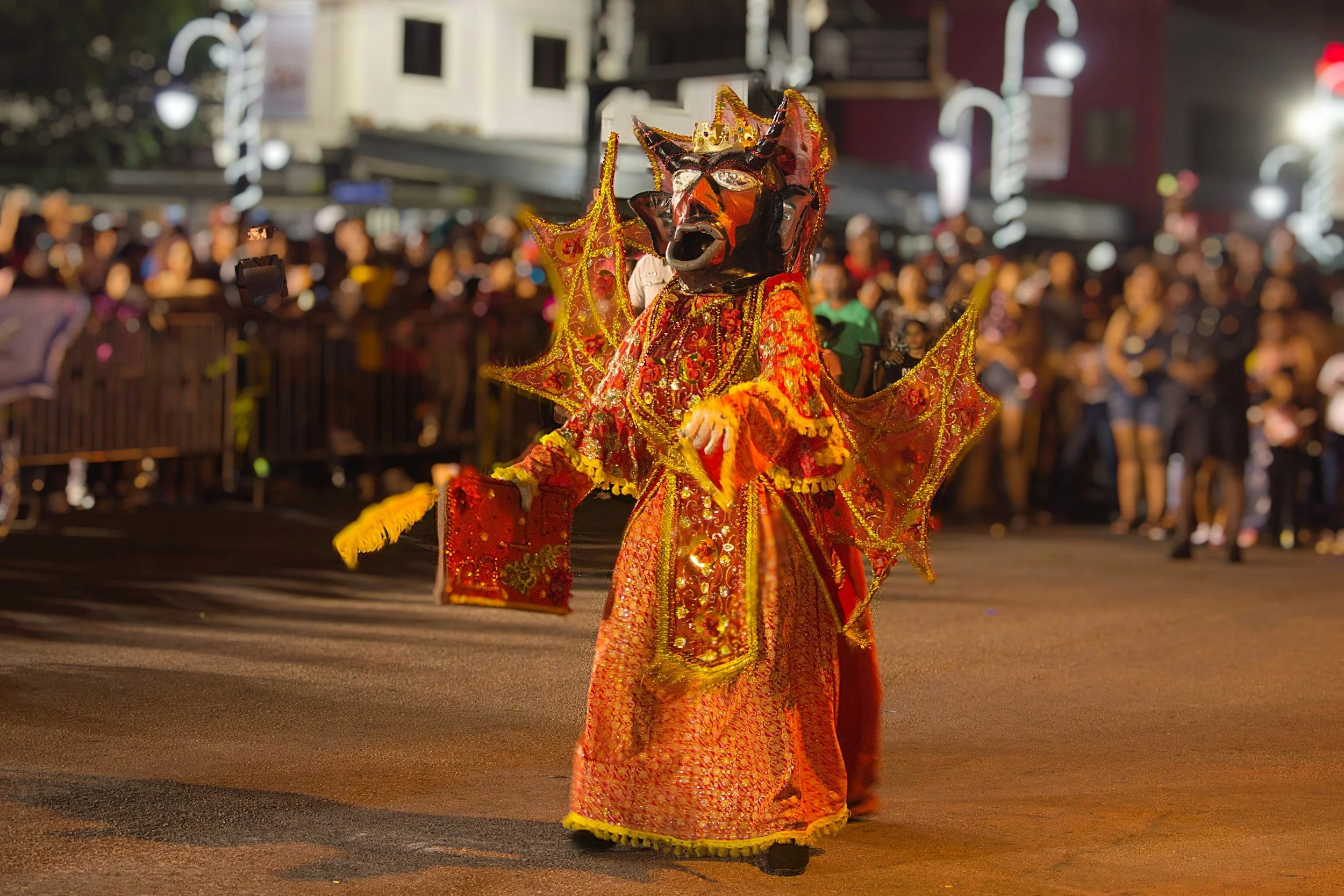
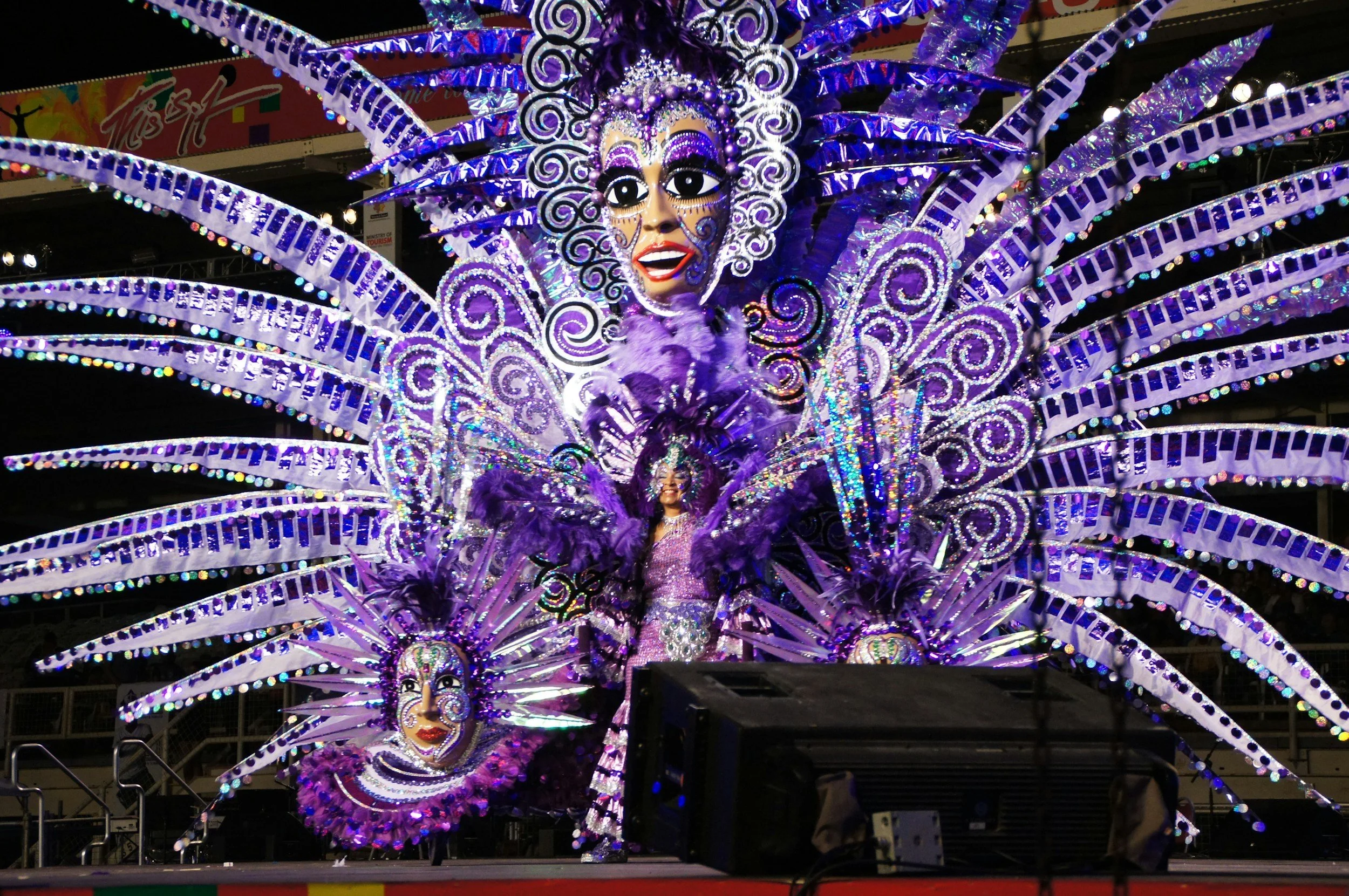
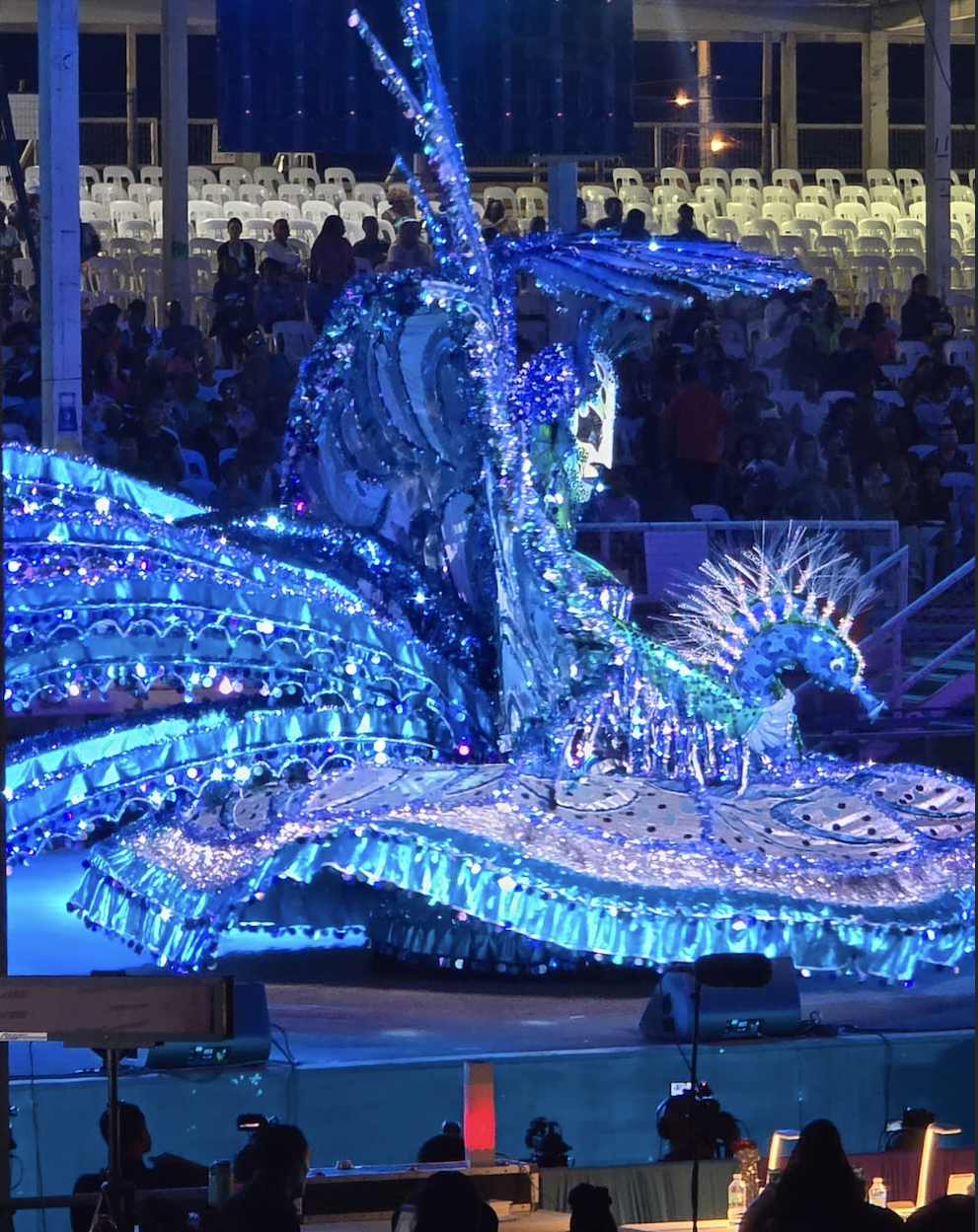
Mas, short for masquerade, is one of the most exciting and visually stunning traditions of Trinidad and Tobago Carnival. Participants known as masqueradersdress in elaborate costumes decorated with feathers, beads, sequins, and vibrant fabrics to portray different themes and characters. One of the biggest highlights of Carnival is the Parade of the Bands, where thousands of masqueraders gather in organized groups, or “bands,” and parade through the streets of Port of Spain while dancing to soca music. Each band presents a unique costume design and theme, creating a spectacular display of colour, creativity, and movement. The Parade of the Bands represents the spirit of freedom, artistic expression, and community that makes Trinidad and Tobago Carnival one of the most famous festivals in the world.
Jouvert
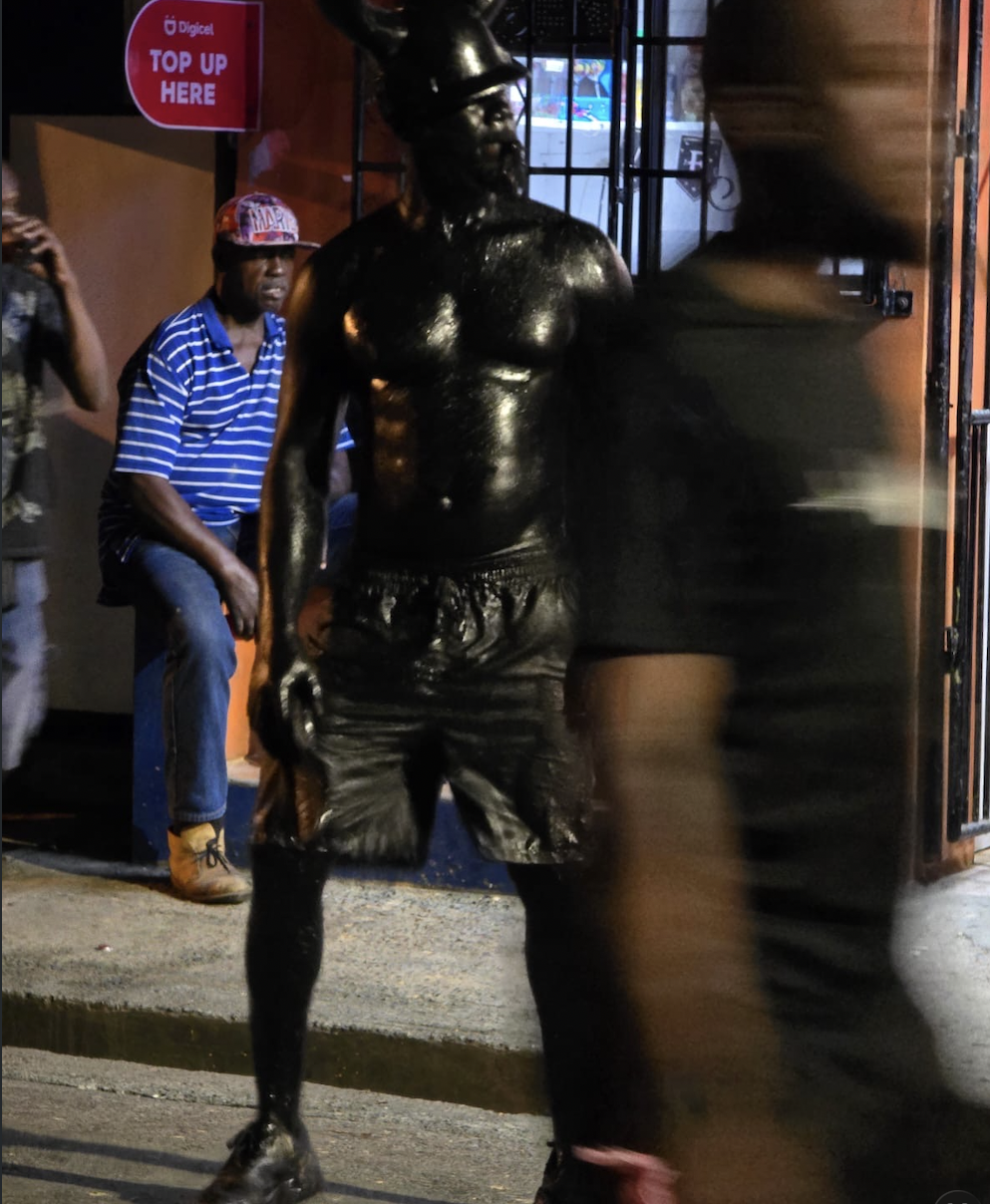
J’ouvert is one of the most exciting and symbolic events of Trinidad and Tobago Carnival. The word “J’ouvert” comes from the French phrase jour ouvert, meaning “daybreak,” and the celebration begins in the early hours of the morning before sunrise on Carnival Monday. During J’ouvert, thousands of people take to the streets dancing to soca and steelpan music while covering themselves in paint, mud, oil, powder, or chocolate. This tradition reflects the historical roots of Carnival, symbolizing freedom, resistance, and the joy of self-expression after the end of slavery. The atmosphere is energetic and playful, with participants celebrating together as the sun rises, marking the official start of the Carnival festivities.